
CATHEDRAL COMBAT
A Third Person Adventure

Sound ON!
If video says "not available", please reload the page/clean your cache! Web host is working on solving this bug.
Introduction
In this project I wanted to create a 3rd person action-adventure, set in a post-apocalyptic world where fractions of people are fighting for whatever resources are left.
Project details
-
Developed over: 4 weeks half time
-
Focus on leveldesign & pacing
-
Scripting (enemy spawning, events, common functionalities, etc.)
-
Whitebox (rough)
-
Assets used: Interaction With Advanced Locomotion System v2.6 (Jakub W Patreon)
Note: Check out my video presentation above where I'll take you through the level flow, pacing, and more!
PRE-PRODUCTION
Overview

An overview showing player's path through the cliffside, graveyard, and the cathedral

An overview depicting descent from clocktower, ensuing combat, and the gap

An overview depicting player's way through catacombs and the final combat arena
An overview showing player's path through the cliffside, graveyard, and the cathedral
I also wanted to teach the player mechanics (such as exploding barrels) and letting them "evolve" with new usages as the player delves further into the level.
Pacing

A tension arc showing the rising tension through the level's different acts.

A tension arc showing the rising tension through the level's different acts, story beats included.

First draft of the tension arc.
A tension arc showing the rising tension through the level's different acts.
Building on an earlier assignment, this time I wanted to vary the gameplay and improve the combat moments more.
The intention was to create a varied experience with well-timed gameplay beats and a rising tension.
Studying adventure games like Uncharted, I created a pacing chart/timeline (see picture), mapping out the desired intensity, objectives, etc.
As you can see in the first draft I made (third picture), I wasn't entirely sure what the gap (a sudden happening where the player's expectations doesn't correspond to what actually happens) or the climax would be, and it definitely changed later.
GAMEPLAY
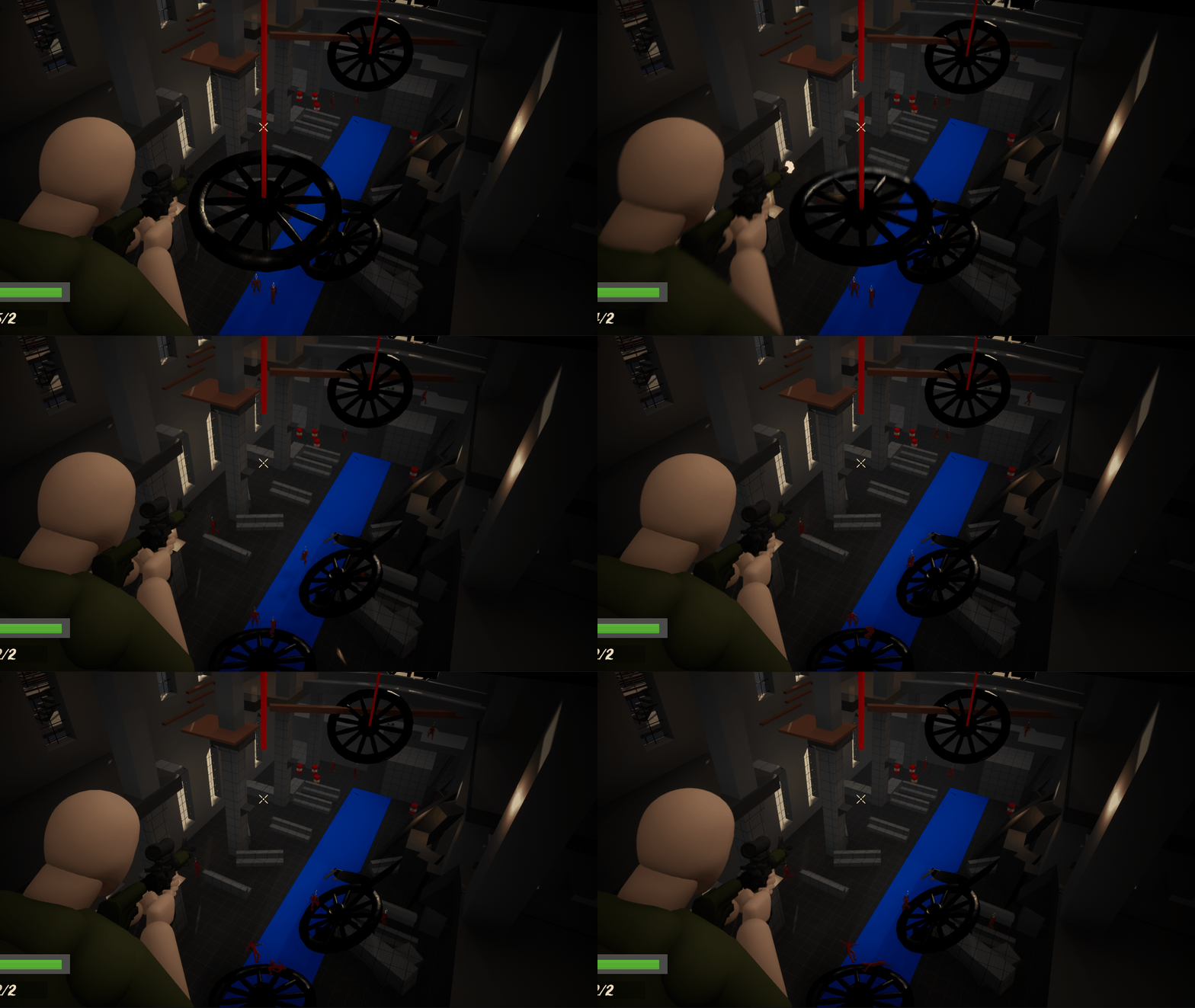
Rewards
The player can shoot at explosive barrels and chandeliers, affecting the surrounding environment and enemies.
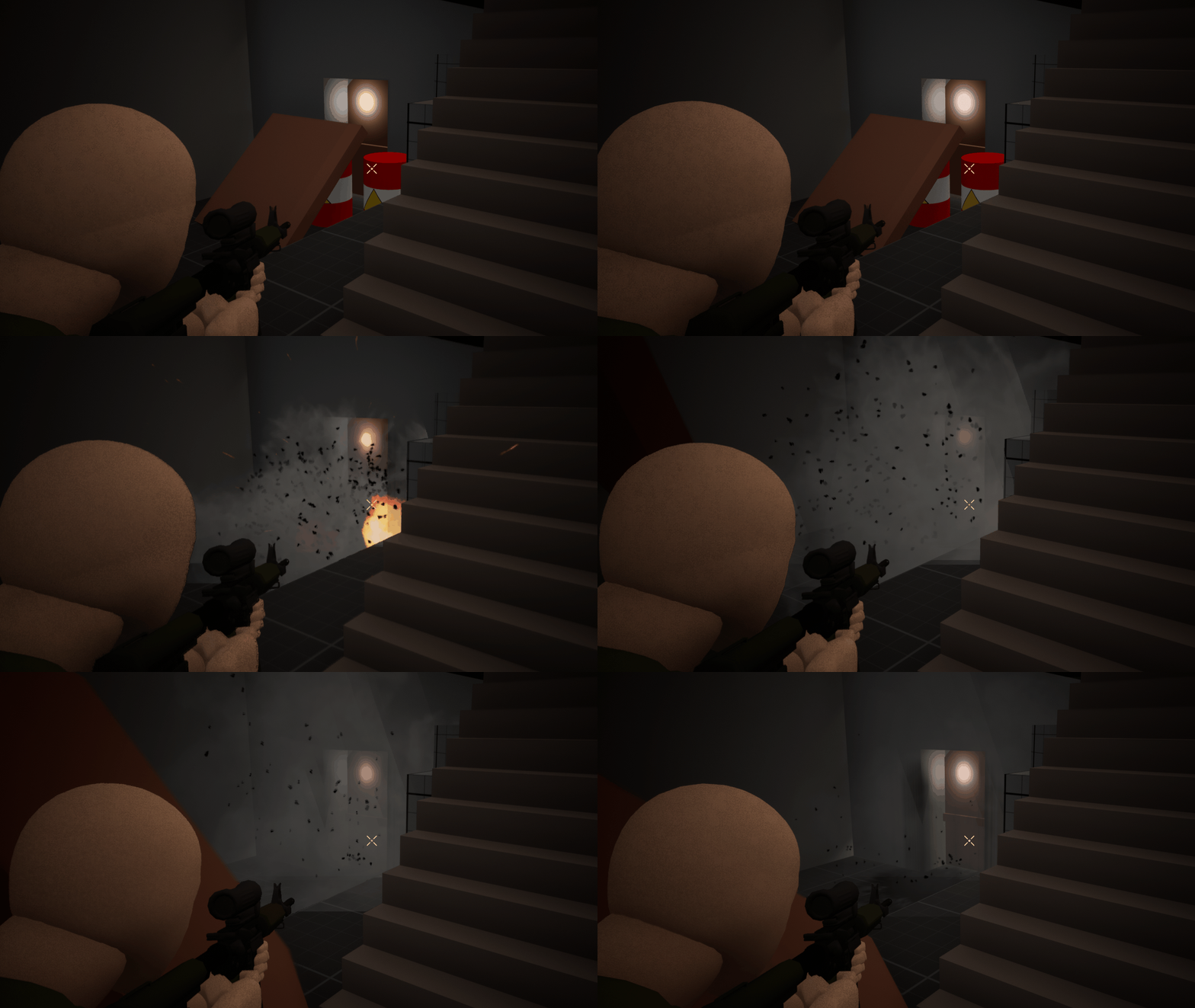
10 seconds of fun
In order to avoid gameplay fatigue, I followed the 10 seconds of fun rule, always giving the player new things to do.

Combat
I learned a lot about the importance of clear zones of player vs AI, sightlines, etc. The spectacle of explosions in battle was something I'm really happy with!
ISSUES & SOLUTIONS
The door problem

Too cluttered, unclear zones, player stayed in the door (entrance mid-right in picture)

Clearer, but the problem persisted. Players had a clear view of the arena long before they entered it.

Added the moving truck, one-way and a turn right before the entrance. Best so far!
Too cluttered, unclear zones, player stayed in the door (entrance mid-right in picture)
Issue:
-
Playtesters never emerged into the final arena until the majority of the AI was already killed off.
-
All the excitement and challenge was already gone!
Solution:
-
Players drop down one-way...
-
...ending up in front of a big truck obscuring their view.
-
A second later, the truck moves to the side, leaving player exposed and having to quickly seek refuge to the left or right. Much better!
-
I also spawned more enemies pushing from the back, increasing stress level
For more in-depth description and progress, see the slides to the left!
C
Chandelier reward

Players can shoot down chandeliers after acquiring weapons. However, they also have too much prospect and refuge and can take down all enemies!

I tried obstructing the sight, but there was no improvement.
Now, players can have a moment of triumph as a treat, and still partake in awesome combat afterwards!
Players can shoot down chandeliers after acquiring weapons. However, they also have too much prospect and refuge and can take down all enemies!
Issue:
-
Wanted to reward players by allowing them to fire at the chandeliers after acquiring weapons.
-
They could also kill off all the AI that had arrived at the cathedral, rendering the upcoming shootout non-existent.
Solution:
-
Placing an enemy spawner in an area where the player will pass through
-
Now there will always be enemies ready to attack when emerging from the tower - regardless of whether they have already killed some of them or not.
For more in-depth description and progress, see the slides to the left!
C
SCRIPTING
Stairs generator
Since verticality is so important in level design, I created a stairs generator.

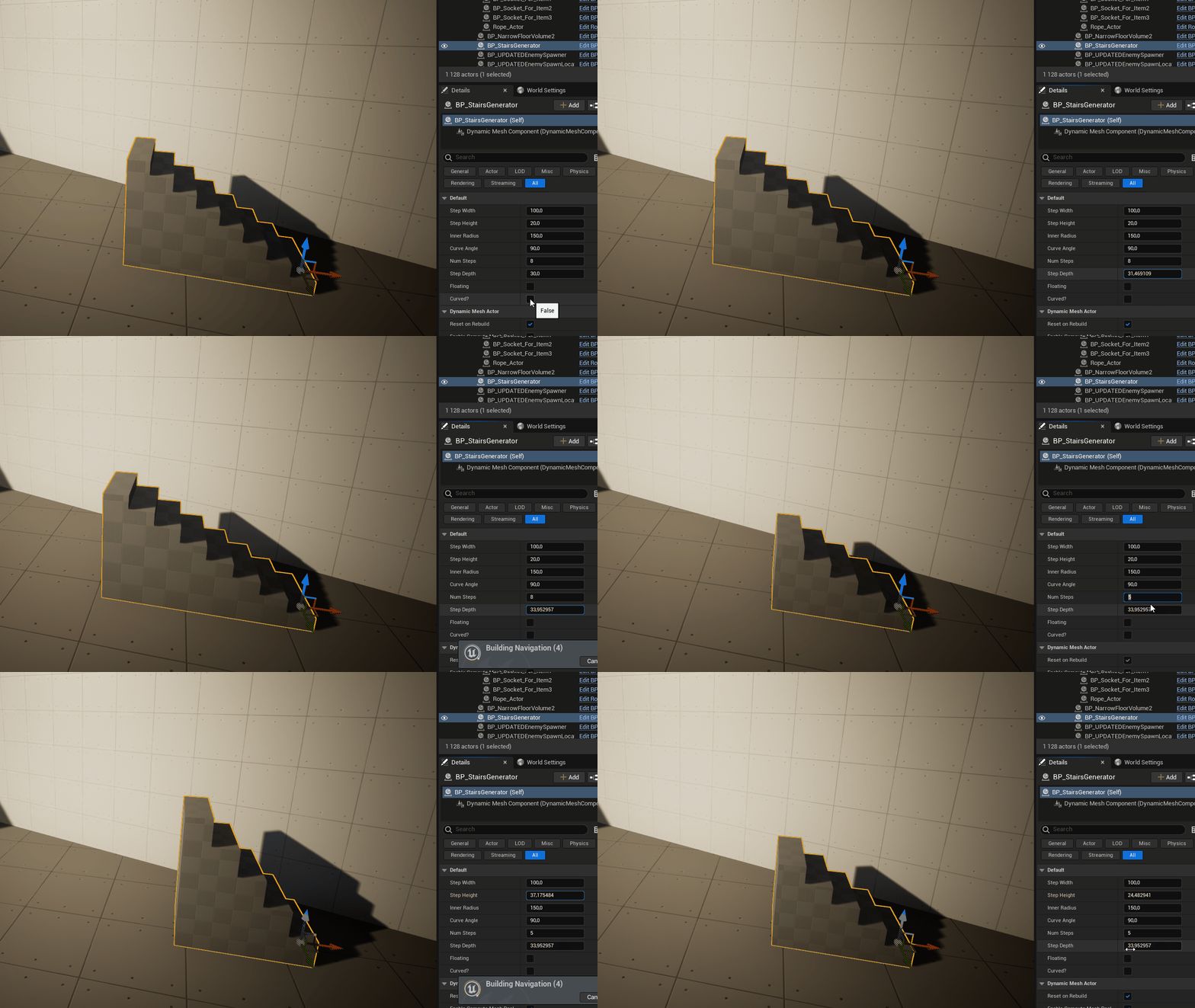
Instant editable variables allowed me to quickly test and adjust different step height, depth, etc.
This way, I didn't have to model every single step to all the different places I use height differences.
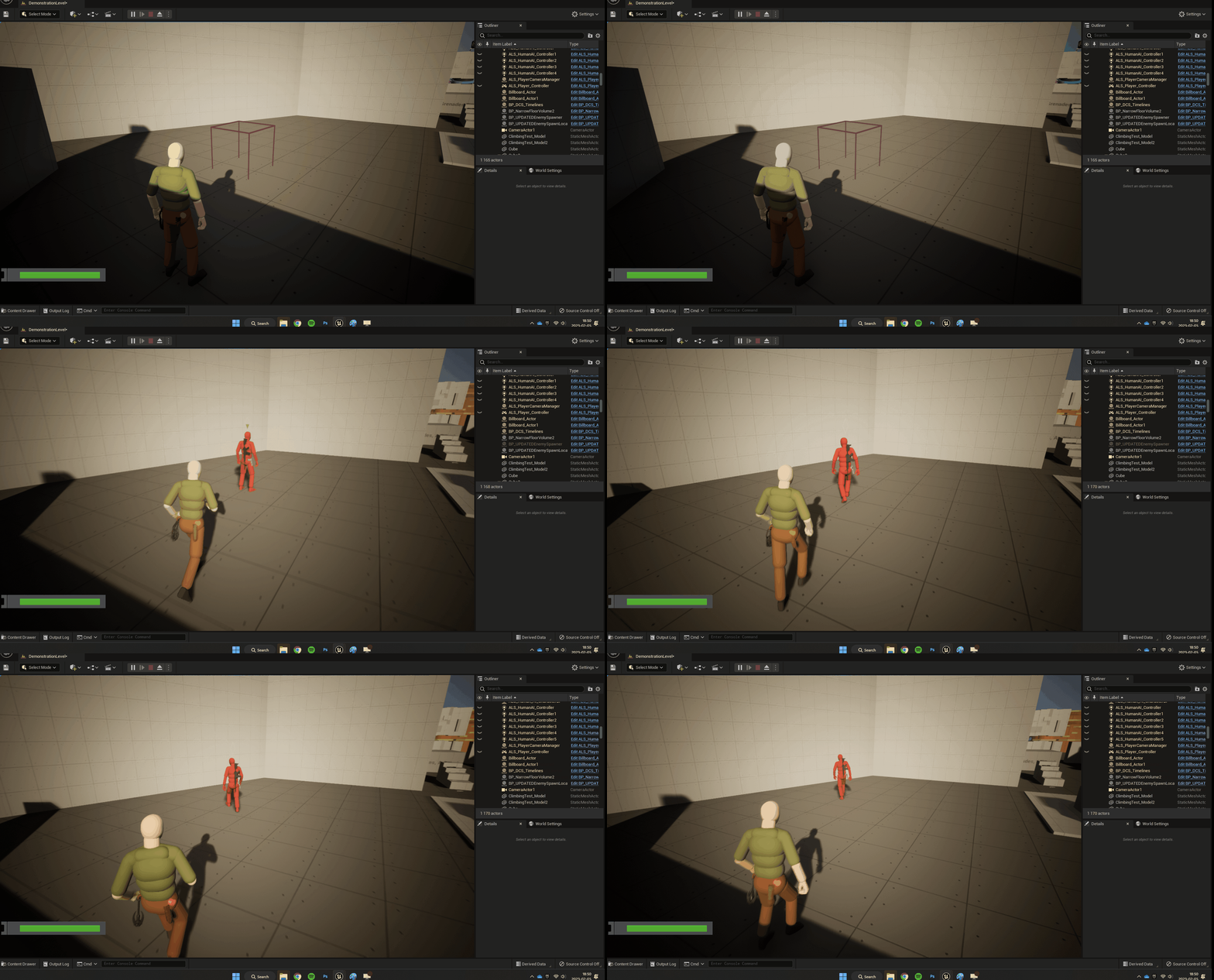
Gameplay
functionalities
Players need to be able to open doors, experience enemies spawning, pick up objects, etc. One can come far by utilizing simple triggers and input enablers!

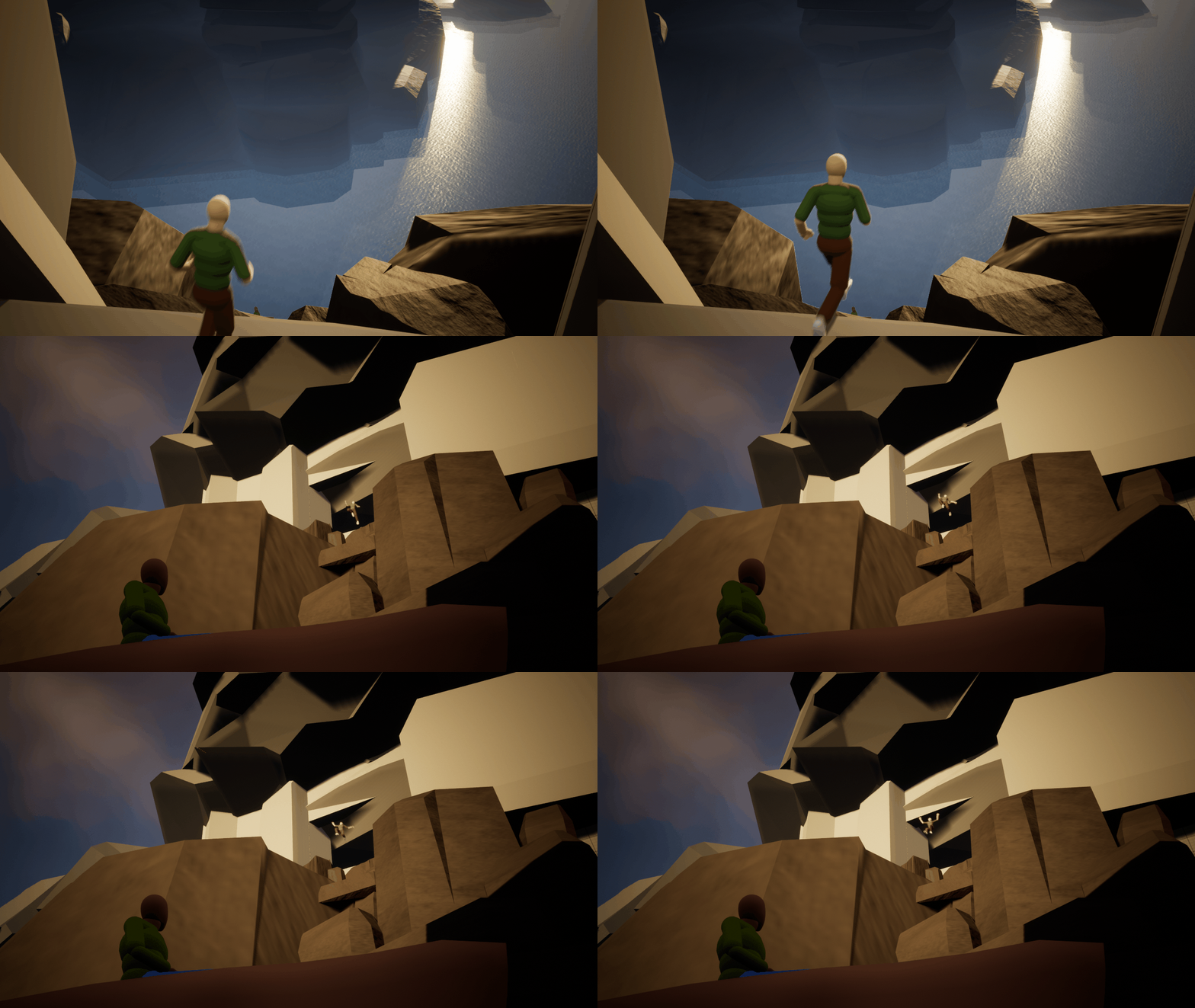
Sequences
Sequences allow for me to create simple cutscenes and events outside of blueprints.
Behold: this magnificent ending I made!
Closing thoughts
I'm certainly proud of this project and how much I learned from it!
Jakub W's template is a complicated system. It helped me achieve some mechanics (like climbing) "for free", but whenever I wanted to code something on my own I had to find my way through a massive amount of code. It made for a valuable experience when it comes to working in systems I'm not used to, learning how things stick togehter on a micro- and macro level.
I also learned a lot about combat zones and readability/affordance. At the start, I had lots of playtesters trying to go where they weren't supposed to - small crevices, flat surfaces etc that had to be removed. Players should know where they can go with just a glance.
If I had more time I'd create more meshes for better visual storytelling, though judging by how people read the environment it seemed good enough. Instead I put time into the design and that's what mattered to me.